Professional Organizations - Naturopathic Medicine
United States
The American Association of Naturopathic Physicians, based in Washington, D.C., represents the interests of the profession of naturopathic medicine in the U.S.
The American Association of Naturopathic Physicians (AANP)
4435 Wisconsin Ave NW Suite 403
Washington, DC 20016
Toll-free: (866) 538-2267
Local: (202) 237-8150
Fax: (202) 237-8152
E-mail: member.services[at]Naturopathic[dot]org
Web: www.naturopathic.org
Other State Organizations
The Washington Association of Naturopathic Physicians
Many other states also have AANP affiliates and professional societies. Contact the appropriate association for your state for further information.
Canada
The Canadian Naturopathic Association (Association Canadienne de Naturopathie) is the professional association in Canada.
Canadian Association of Naturopathic Doctors (CAND)
20 Holly Street, Suite 200
Toronto, Ontario, Canada, M4S 3B1
Local: (416) 496-8633
Toll-free: (800) 551-4381
Fax: (416) 496-8634
Web: http://www.cand.ca/
Other Canadian Provincial and Territorial Organizations
The British Columbia Naturopathic Association (BCNA)
Principles of Naturopathic Medicine
The Healing Power of Nature (Vis Medicatrix Naturae)
Naturopathic medicine recognizes the body's inherent ability, which is ordered and intelligent, to heal itself. Naturopathic physicians act to identify and remove obstacles to recovery, and to facilitate and augment this healing ability.
Identify and Treat the Causes (Tolle Causam)
The naturopathic physician seeks to identify and remove the underlying causes of illness, rather than to eliminate or merely suppress symptoms.
First Do No Harm (Primum Non Nocere)
Naturopathic medicine follows three principles to avoid harming the patient:
- utilize methods and medicinal substances which minimize the risk of harmful side effects;
- avoid, when possible, the harmful suppression of symptoms;
- acknowledge and respect the individual's healing process, using the least force necessary to diagnose and treat illness.
Doctor as Teacher (Docere)
Naturopathic physicians educate the patient and encourage self-responsibility for health. They also acknowledge the therapeutic value inherent in the doctor-patient relationship.
Treat the Whole Person
Naturopathic physicians treat each individual by taking into account physical, mental, emotional, genetic, environmental and social factors. Since total health also includes spiritual health, naturopathic physicians encourage individuals to pursue their personal spiritual path.
Prevention
aturopathic physicians emphasize disease prevention, assessment of risk factors and hereditary susceptibility to disease and making appropriate interventions to prevent illness. Naturopathic medicine strives to create a healthy world in which humanity may thrive.
Wellness
Wellness follows the establishment and maintenance of optimum health and balance. Wellness is a state of being healthy, characterized by positive emotion, thought and action. Wellness is inherent in everyone, no matter what dis-ease(s) is/are being experienced. If wellness is really recognized and experienced by an individual, it will more quickly heal a given dis-ease than direct treatment of the dis-ease alone. (This principle was adopted by Bastyr University and added to the six principles.)
History of Naturopathic Medicine
The term "naturopathy" was coined in 1892 to describe a rapidly growing system of natural therapeutics, originally organized in response to the increasing disillusionment of physicians and patients with the toxic and ineffective methods of the so-called heroic age of medicine.
The philosophy and the therapies, which have their origins in Hippocrates and the traditional and indigenous medicines of the world, first became a distinct profession in Germany in the mid-1800s. In 1896, Dr. Benedict Lust (MD) brought naturopathy to America and established the first naturopathic college, the Yungborn Health Institute in New Jersey.
The resurgence of naturopathic medicine today is yet another chapter in the millennia-old division between two different views of medicine, well-symbolized by the Grecian myths of Hygieia and Asclepius. Rene Dubois speaks of these symbols in The Mirage of Health: "The myths of Hygieia and Asclepius symbolize the never-ending oscillation between two different points of view in medicine. For the worshippers of Hygieia, health is the natural order of things, a positive attribute to which men are entitled if they govern their lives wisely. According to them, the most important function of medicine is to discover and teach the natural laws which will ensure a man a healthy mind in a healthy body.
"More skeptical, or wiser in the ways of the world, the followers of Asclepius believe that the chief role of the physician is to treat disease, to restore health by correcting any imperfections caused by the accidents of birth or life."
Today's naturopathic physician easily blends modern, state-of-the-art diagnostic and therapeutic procedures and research with ancient and traditional methods, uniting Hygieia and Asclepius. We represent a thoroughly rational, evenhanded balance of tradition, science and respect for nature, mind, body and spirit.
Naturopathic medicine's rebirth in the last quarter of the twentieth century has also resulted from a growing consumer movement to solve the health care puzzle using prevention, wellness and respect for nature's inherent healing ability. These fundamental, unifying principles of naturopathic medicine can be identified in disciplines as diverse as constitutional hydrotherapy and homeopathy, as well as those more traditional in the Western view of health care, such as nutrition and botanical medicine.
Licensure Requirements - Naturopathic Doctor
All states and provinces with licensure laws require a resident course of at least four years and 4,100 hours of study from a college or university recognized by the Council on Naturopathic Medical Education (CNME). A copy of the CNME handbook is available in the Bastyr Library. To qualify for a license, the applicant must satisfactorily pass the Naturopathic Physicians Licensing Examinations (NPLEX), which include basic sciences, diagnostic and therapeutic subjects and clinical sciences.
Applicants must satisfy all licensing requirements for the state or province to which they have applied. Please consult the American Association of Naturopathic Physicians' website for current U.S. licensure information.
What is Naturopathic Medicine?
Naturopathic medicine (sometimes called "naturopathy") is a distinct system of primary health care that emphasizes prevention and the self-healing process through the use of natural therapies. Naturopathic doctors (NDs) blend centuries-old knowledge and a philosophy that nature is the most effective healer with current research on health and human systems.
Naturopathic diagnosis is focused on identifying the underlying causes of disease, while naturopathic therapies are supported by research drawn from peer-reviewed journals from many disciplines, including naturopathic medicine, conventional medicine, European complementary medicine, clinical nutrition, phytotherapy, pharmacognosy, homeopathy, psychology and spirituality.
The therapeutic modalities used in naturopathic medicine (including physical manipulation, clinical nutrition, botanical medicine, homeopathy and hydrotherapy) integrate conventional, scientific and empirical methodology with the ancient laws of nature. The underpinnings of naturopathic medical practice are in six principles (see a more detailed description):
- First Do No Harm - primum non nocere
- The Healing Power of Nature - vis medicatrix naturae
- Discover and Treat the Cause, Not Just the Effect - tolle causam
- Treat the Whole Person - tolle totum
- The Physician is a Teacher - docere
- Prevention is the best "cure" - praevenire
What type of training do naturopathic doctors receive?
Naturopathic doctors (NDs) are primary care physicians who have attended a four-year naturopathic medical school, are clinically trained, and work in all aspects of family health — from pediatric to geriatric care. (See a list of the states, provinces and territories that license NDs).
Most NDs provide primary care through office-based private practice. Many receive additional training in areas such as midwifery and acupuncture and Oriental medicine. Because NDs view natural remedies as complementary as well as primary, they cooperate with other medical professionals, referring patients to (and receiving patients from) conventional medical doctors, surgeons and other specialists when appropriate.
How is naturopathic medicine similar to, and different from, conventional medicine?
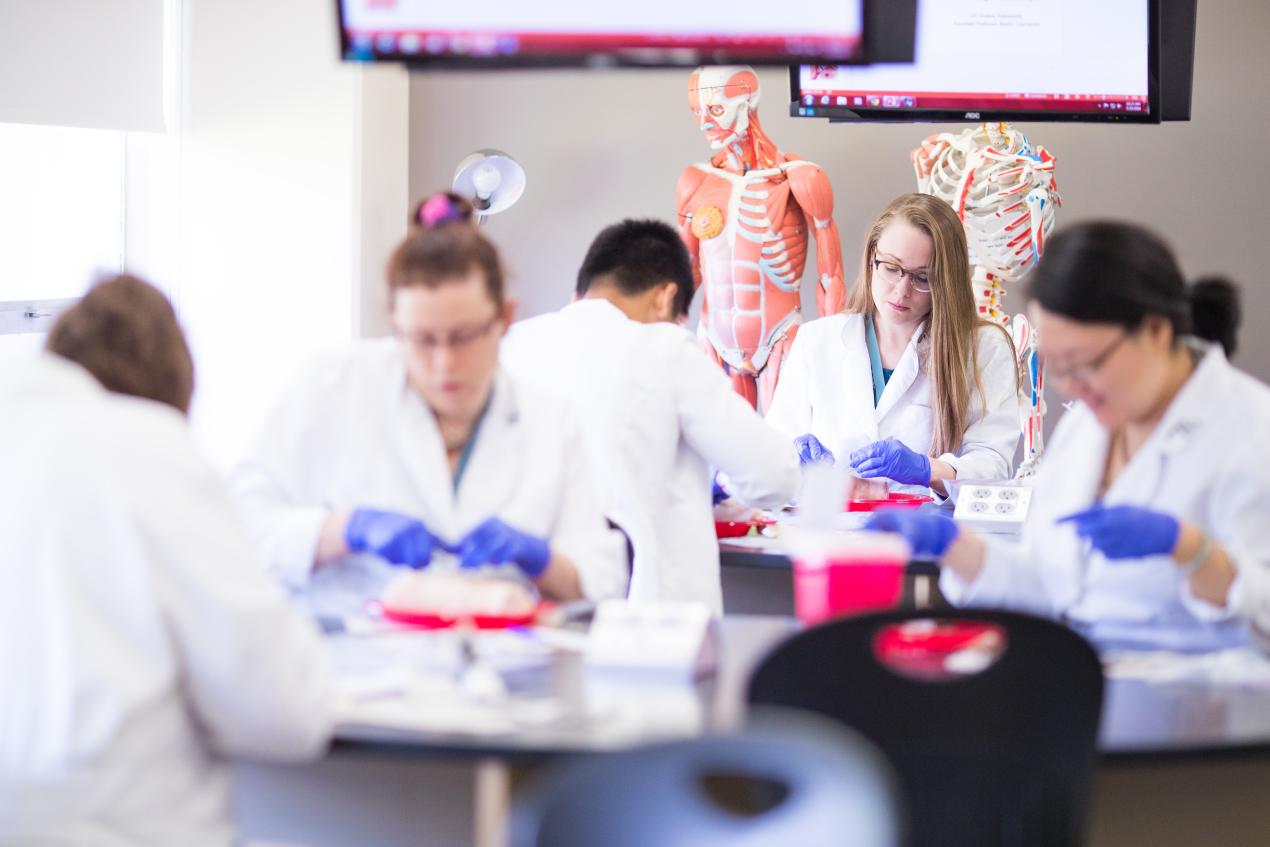
Educated in all of the same basic sciences as a medical doctor (MD), a naturopathic doctor uses the Western medical sciences as a foundation for diagnosis and treatment. Just like MDs, naturopathic physicians must pass rigorous professional board exams before they can be licensed by a state or jurisdiction. And, for at least the final two years of the medical program, naturopathic medical students intern in clinical settings under the close supervision of licensed professionals.
NDs, however, also study holistic approaches to therapy with a strong emphasis on disease prevention and optimizing wellness. In addition to a standard medical curriculum, NDs are trained in clinical nutrition, homeopathic medicine, botanical medicine, psychology, physical medicine and counseling. Another distinguishing feature is the treatment philosophy: Naturopathic doctors see the physician as someone who facilitates healing by identifying and removing barriers to health.
For more information, see the American Association of Naturopathic Physicians' website.
Legal Status of Naturopathic Medicine
Currently, naturopathic doctors are licensed or registered as health care providers in Alaska, Arizona, California, Connecticut, District of Columbia, Hawaii, Idaho, Kansas, Maine, Minnesota, Montana, New Hampshire, North Dakota, Oregon, Utah, Vermont, Washington and the U.S. territories of Puerto Rico and the Virgin Islands. Legal provisions allow the practice of naturopathic medicine in several other states. Naturopathic doctors are also recognized in British Columbia, Manitoba, Ontario, Nova Scotia and Saskatchewan.
Efforts to gain licensure elsewhere are currently under way. Forty-two states and territories in the United States have professional associations for naturopathic medicine. Canada has 11 provincial and territorial professional associations.